Born on November 1, 1960, in Mobile, Alabama, Tim Cook became one of the most influential business executives in modern technology, leading Apple through fifteen years of extraordinary international growth. His birth date carries 28/1 numerology, associated with leadership, ownership, financial success, and independence, alongside Scorpio and the Rat sign. After studying industrial engineering at Auburn University and earning an MBA from Duke University, Cook developed his expertise in manufacturing, logistics, and global operations through positions at IBM, Intelligent Electronics, and Compaq. He joined Apple in March 1998, working alongside Steve Jobs to transform the company's supply chain and distribution systems. On August 24, 2011, he succeeded Jobs as chief executive officer, inheriting one of the world's most innovative technology companies and beginning a period of remarkable commercial expansion.
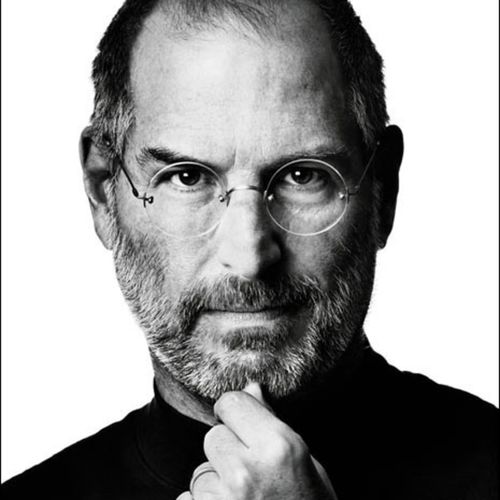
One of the most extraordinary numerical connections in Cook's career involves the people and companies that shaped his professional life. Steve Jobs, born on February 24, 1955, carried 28/1 numerology, while Apple's founding date of April 1, 1976, also totals 28/1. Cook, born on November 1, 1960, shares that exact numerical structure when November's master number 11 is preserved. The connection extends to Nike, whose predecessor, Blue Ribbon Sports, was founded on January 25, 1964, another 28/1 date. Cook joined Nike's board of directors in 2005 and later became its lead independent director, establishing a long relationship with another globally recognized brand. Four major identities in his professional world therefore share the same 28/1 numerology: the founder who recruited him, the company he eventually led, the executive himself, and the athletic brand whose board he helped oversee. Apple's founding also occurred during a Dragon year, one of Cook's friendly signs as a Rat, adding another connection to the company that would define his career.
Another remarkable sequence appeared across three major technological developments during Cook's leadership. On September 7, 2016, during the Monkey year, Apple introduced AirPods, helping establish wireless earbuds as a major consumer technology category. On November 10, 2020, during Cook's own Rat year, Apple unveiled its M1 processor, beginning the Mac's transition from Intel chips to Apple-designed silicon. Four years later, on June 10, 2024, during the Dragon year, the company introduced Apple Intelligence, bringing generative artificial intelligence into its ecosystem of devices and software. Monkey, Rat, and Dragon form a friendly group in Eastern astrology, connecting three innovations introduced exactly four years apart. Each also represented a different form of technological independence: proprietary wireless technology, greater control over computer processors, and artificial intelligence integrated directly into Apple's products. Together, they reflected Cook's long-standing emphasis on controlling the technologies and operational systems behind the company's success.
On September 1, 2026, during the Horse year, the Rat's direct opposing sign, Cook stepped down as Apple's CEO after fifteen years and became executive chairman, transferring leadership to longtime hardware executive John Ternus. During his tenure, Apple's market capitalization had grown from approximately $350 billion to more than $4 trillion, while annual revenue had risen from $108 billion in 2011 to more than $416 billion in 2025. His achievements extended beyond business: in March 2015, Cook announced his intention to donate most of his personal fortune to charitable causes after providing for his nephew's education. The shared 28/1 numerology of Cook, Jobs, Apple, and Nike creates an unusually concentrated relationship around leadership, ownership, and financial achievement, while the Monkey, Rat, and Dragon years trace defining technological developments during his tenure. The most revealing contrast is between Jobs and Cook themselves. Both carried 28/1, yet expressed their leadership through different strengths: Jobs transformed the products people wanted, while Cook built the operational and technological foundations that allowed Apple to deliver those products to an increasingly global audience.