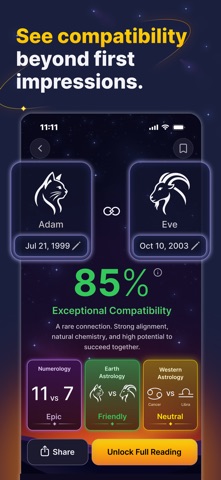
Monster Energy’s commercial identity is anchored to April 18, 2002, the recorded first use in commerce for the brand. Trademark records list March 27, 2002 as the earlier first use anywhere, preserving a separate product milestone. The commercial date carries CUE’s 17/8 full date imprint, associated with money and material authority, with day 18/9, Horse Eastern energy and Aries Western energy.
The brand’s growth increasingly depended on systems capable of carrying it into larger markets. In the friendly Dog year of 2006, Monster Energy sales expanded rapidly, reaching a $500 million milestone by November. The strongest recurrence came in the Horse year of 2014, exactly twelve years after commercial use began, when Monster announced its strategic partnership with Coca-Cola. The agreement expanded distribution through Coca-Cola’s global network and transferred Coca-Cola’s worldwide energy drink portfolio to Monster. The transaction closed in 2015, but the announcement marked a major shift toward a global energy focused business. Through CUE’s Horse archetype, the Technical Specialist, this milestone reflects the operational expertise required to connect product identity with distribution at scale.
The business also shows the cost and vulnerability of growth. In the Rat year of 2008, distributor transitions created approximately $118 million in termination obligations, reducing profits even as sales rose. In the direct enemy Rat year of 2020, pandemic restrictions disrupted convenience store and food service channels. Yet Monster adapted as purchases shifted toward grocery, mass retail and home consumption, achieving record fourth quarter sales and full year revenue growth of 9.5 percent. Neither difficult cycle prevented growth, but both exposed the importance of distribution decisions and changing customer behavior.
CUE: Monster Energy shows how a distinctive product can scale into a global commercial system. The recurring Horse year connection highlights the role of distribution and operational expertise in expanding the brand, while the Rat years reveal the costs and adjustments behind that growth. Its lasting strength lies not in timing alone, but in connecting a recognizable product with the systems that make it available to more customers and adapting when those systems come under pressure.